
What are climate tipping points?
And why should we be paying attention to them?

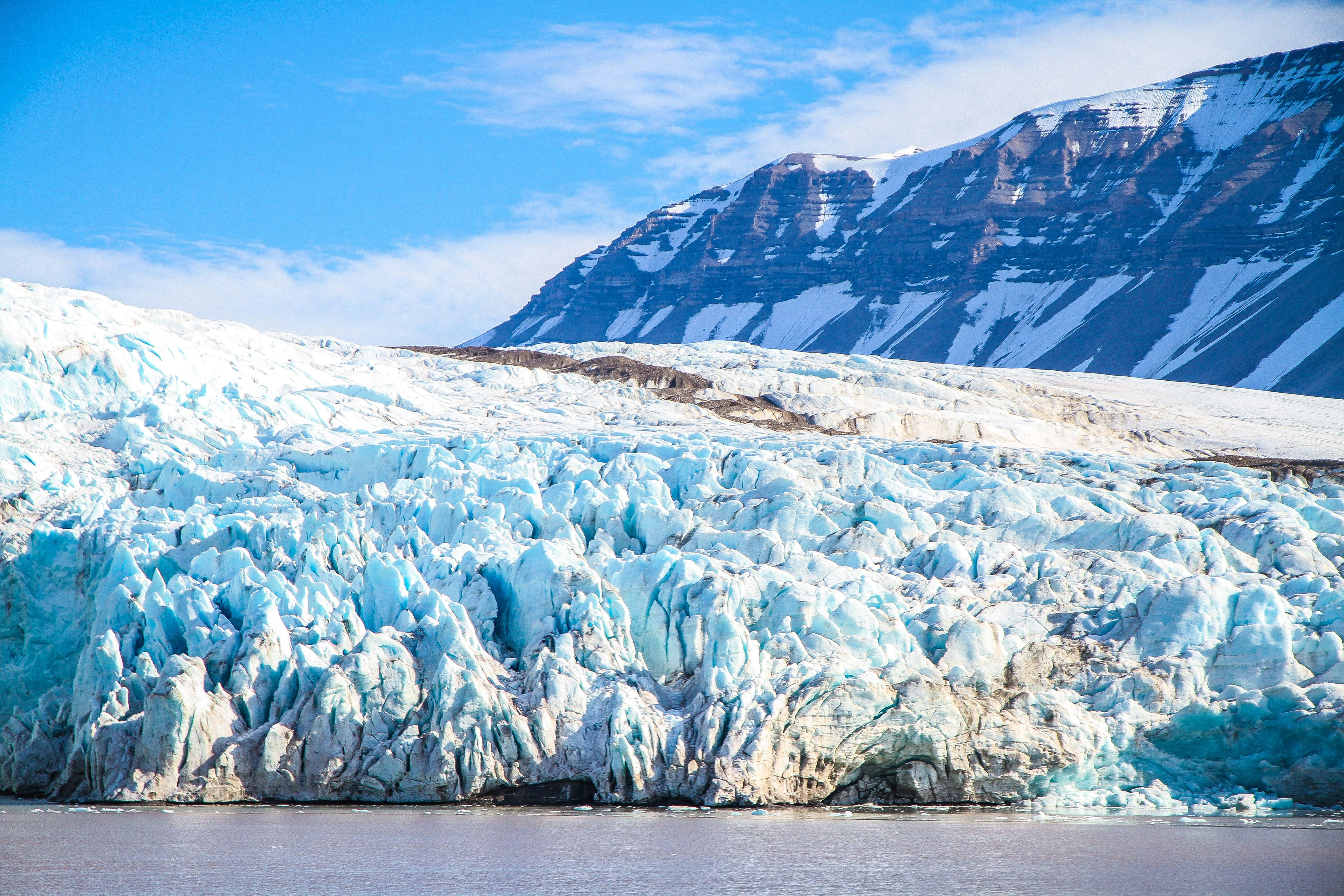
One of the terms that comes up again and again in climate news is “tipping point” - and it’s always uttered with great fear and concern (for good reason). But what are climate tipping points? And what will really happen if we don’t stop them?
According to Sir Jonathan Porrit, one of Britain’s most respected environmentalists, “our suicidal way of life is accelerating civilisational collapse.”
The IPCC (the Intergovernmental Panel on Climate Change) defines tipping points as “critical thresholds in a system that, when exceeded, can lead to a significant change in the state of the system, often with an understanding that the change is irreversible.” In other words, when a system on Earth meetings a tipping point (like a certain percentage of coral reefs bleaching and dying), there are a bunch of other knock-on effects around the world that would be very difficult, if not impossible, to come back from. And that’s part of why tipping points are so scary - the effects we can predict are dire, but we likely can’t predict the full extent of the impact. And once we reach a tipping point, we can’t turn back the clock.
The IPCC lists these changes to earth systems as being the most likely to occur this century:
Greenland Ice Sheet melting
Permafrost melting
Ocean circulation and temperature warming/weakening
Monsoons changing their strength, timing, and duration
Amazon rainforest dying
Antarctic Ice Sheet melting
Coral reefs dying off*
*Late last year, scientists reported that damage to coral reefs was so extensive that they have passed their tipping point - according to the Coral Restoration Foundation, this is “ the threshold beyond which their survival becomes increasingly tenuous.”
The language mainstream media and climate scientists use around tipping points can sound less grave than it is - it’s peppered with words like “likely,” “will,” “in the future,” which can make it seem like we’re not sure, or there’s a chance we could save the reefs. I don’t want to completely dispel hope, and later we’ll talk about what we can do, but the reality is that we are locked into a certain amount of warming in the future. We can beat around the bush with the language above, because of course, we can’t predict the future with 100% certainty. But the science backs the fact that we are locked into more warming, and more warming with have these impacts.
A 2024 article from Earth.org posits what will happen if the world crosses these tipping points. If the Greenland Ice Sheet completely melts, the sea level will rise by 22 feet. The Antarctic Ice Sheet is already on track to contribute up to 3 feet of sea level rise by the end of the century. The permafrost contains about 1,400 billion tons of carbon (almost double what is currently present in the atmosphere) so if it leaks into the atmosphere, it will massively accelerate climate change. The Amazon Rainforest is currently a carbon sink, but deforestation would lead to droughts and possibly make it a net carbon emitter. If the ocean currents change, this could reduce rainfall in Africa and Asia (which is a problem for crop production) and could increase winter storms in Europe. There’s even a chance of an ice age in Europe. Changes to monsoons across the globe could impact crop production on multiple continents, triggering mass migration and hampering access to rice and wheat. And the coral die off impacts a number of marine species but also coastlines that are currently protected by reefs.
To put it in even clearer perspective....
If you, like me, live a fairly comfortable middle-class existence in a U.S. city, you might experience the following impacts from these tipping points being tipped:
Housing shortages in coastal cities – increased flooding from sea level rise will make portions of cities unlivable, increasing competition for housing further inland and driving up housing prices.
Picture this: You’ll spend hours on Zillow trying to find an apartment. The cheapest, most ramshackle studios inland will go for 75% of your monthly take home pay. You’ll settle for an old building in the Seaport that’s only 50% of your pay, but some nights you’ll go to sleep to the sound of sloshing water in the basement.
High food prices and food shortages – decreased crop production from droughts will make certain foods scarce and drive up food prices globally.
Picture this: You’ll have to give up bread and pasta and rice, because even the store-brand loaves of bread are $15/loaf. Groceries are more expensive than ever, but at least you have access to a grocery store and you don’t rely on agriculture for your livelihood.
Increased anti-immigrant rhetoric - flooding, crop shortages and extreme weather lead to mass climate migration and, if the current political climate is anything to go by, that will lead to violence and anti-immigrant sentiment that fuels conservatism and fascism.
Picture this: Millions of climate refugees are sleeping on the floors of major airports, ICE is recruiting in schools, and everywhere you turn people are blaming the cost of living on these refugees instead of holding the government accountable for not providing safety nets.
Extreme weather – hurricanes, winter storms, droughts, wildfires, you name it.
Picture this: LA lives under a constant haze of wildfire smoke. The Amazon is shrinking, slowly becoming a desert that can’t sustain the lives of the wildlife that used to thrive there. The glass pyramid outside the Louvre has collapsed under snow and ice so many times that they’ve stopped rebuilding it.
Okay, time for a deep breath. Relax your shoulders, unfurrow your brow. It’s grim, I know. But I want to drive home the importance of paying attention to tipping points. When they’re discussed in the news, they sound so nebulous: a problem for the future, but not for now. But blowing through these thresholds will have real impacts on all of us, even those who are the most insulated and privileged.
What now? Well, the number one thing we can do to slow climate change and try not to tip over these thresholds is to drastically reduce greenhouse gas emissions. Even if we went to net zero tomorrow, we would still be locked into more warming – which should underscore exactly how important it is to move quickly in divesting from fossil fuels. We should be demanding that our local, state and federal governments ban all new fossil fuel infrastructure and work swiftly to switch to renewable energy.
A report from the Stockholm Resilience Centre also covers so-called positive tipping points - “positive tipping points have already been crossed in solar PV and wind power globally, as well as in the adoption of electric vehicles, battery storage, and heat pumps in leading markets. Coordinated policy action... can trigger further transformative change across sectors and societies.” In coordination with reducing greenhouse gas emissions, striving for these positive tipping points (largely high adoption rates of renewable technologies) can help pull us back from the brink of the negative tipping points.
So hold your governments to account, protest the corporations that would prioritize profit over people, and be in community with other folks who recognize the gravity of this situation and are working to fix it (like by joining a local XR chapter!)
In love and rage,
Olivia
Further Reading
Impacts of 1.5ºC global warming on natural and human systems
Tipping Points of Climate Change
Understanding Climate Tipping Points
World reaches first climate tipping point – widespread mortality of coral reefs
3 massive changes you’ll see as the climate careens toward tipping points
Overshoot: The World Is Hitting Point of No Return on Climate